

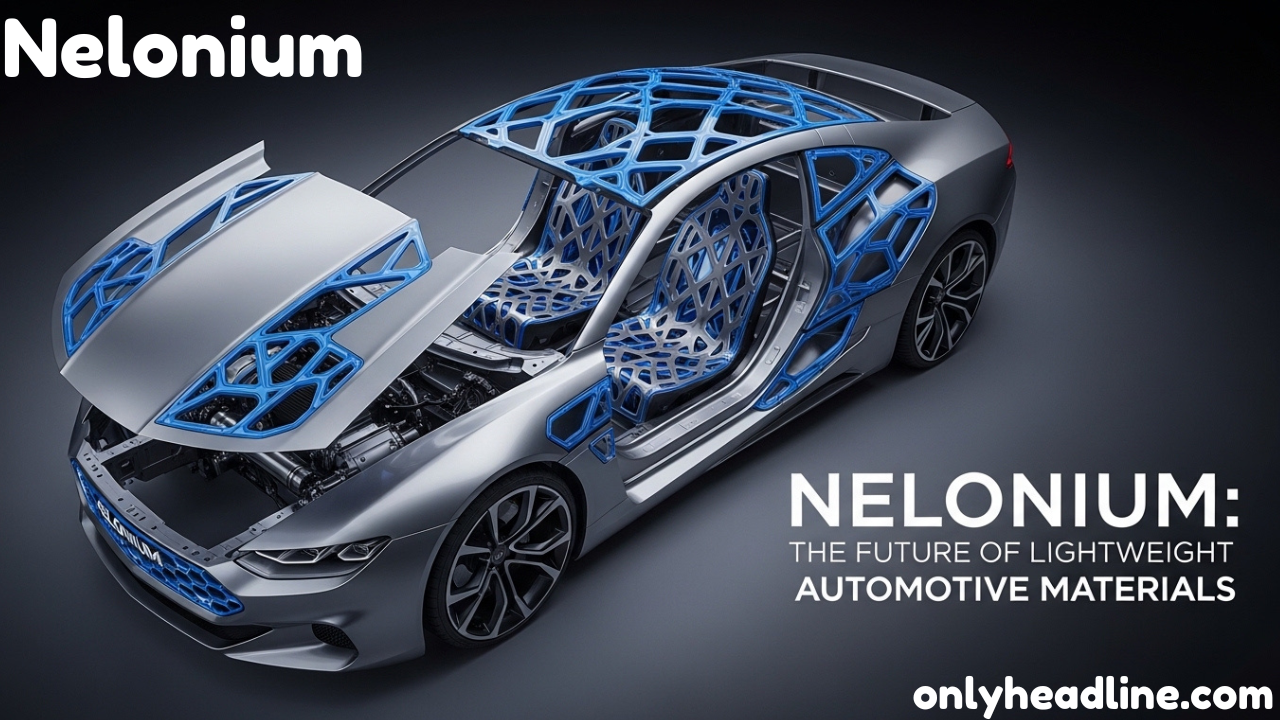
The automotive industry is on the brink of a revolution, and at its heart lies an exciting new material known as nelonium. As manufacturers strive to create vehicles that are not just powerful but also efficient and eco-friendly, nelonium offers a promising solution. Lightweight yet incredibly strong, this innovative material has the potential to transform how cars are designed and built. Imagine driving a vehicle that consumes less fuel while delivering superior performance—all thanks to advancements in lightweight materials like nelonium. Let’s dive deeper into what makes this remarkable substance so appealing for the future of automotive engineering.
Benefits of Nelonium Over Traditional Automotive Materials
Nelonium is revolutionizing the automotive landscape with its remarkable advantages. This lightweight material significantly reduces vehicle weight, which directly enhances fuel efficiency. As a result, drivers can enjoy longer trips without frequent refueling.
Another benefit lies in its durability. Nelonium exhibits exceptional resistance to corrosion and wear, ensuring that vehicles maintain their performance over time. This longevity means fewer repairs and replacements for manufacturers and consumers alike.
Moreover, nelonium’s flexibility allows for innovative designs that traditional materials cannot achieve. Automakers can create sleeker profiles while maximizing aerodynamics.
Additionally, the environmental impact of nelonium is noteworthy. Its production process often requires less energy compared to conventional metals or plastics, leading to reduced carbon emissions during manufacturing.
With these compelling benefits combined—lightness, durability, design versatility, and sustainability—nelonium presents an enticing alternative for today’s dynamic automotive industry.
The Innovation of Nelonium and Its Potential Impact on the Automotive Industry
Nelonium represents a groundbreaking shift in automotive materials. This innovative substance combines exceptional strength with remarkable lightweight properties. As manufacturers seek to enhance fuel efficiency and reduce emissions, Nelonium emerges as a game-changer.
Its unique formulation allows for thinner components without sacrificing durability. This leads to lighter vehicles that perform better on the road while consuming less energy. Imagine cars that accelerate faster and handle more responsively due to reduced weight.
Moreover, the manufacturing processes associated with Nelonium are often more sustainable than traditional methods. The potential for recycling this material adds another layer of environmental benefit, appealing to eco-conscious consumers and regulators alike.
As companies explore these advantages, they may redefine design standards across the industry. From electric vehicles to high-performance sports cars, applications are boundless, promising an exciting transformation in how we perceive automotive engineering.
Examples of Companies Utilizing Nelonium in Their Products
Several companies are already harnessing the power of nelonium to enhance their automotive products. One notable name is EcoDrive Motors, which has integrated nelonium into its lightweight electric vehicle chassis. The result is a significant reduction in weight without compromising safety or performance.
Another innovator, SpeedTech Automotive, utilizes nelonium for interior components. This not only lightens the overall vehicle but also improves fuel efficiency and reduces emissions.
Even established brands like AutoVision have begun experimenting with nelonium-infused materials in their production lines. They aim to create vehicles that are both eco-friendly and high-performing.
These advancements reflect how diverse industries are adopting this revolutionary material. As manufacturers continue to explore its applications, we can expect even more exciting developments on the horizon.
Challenges and Limitations of Implementing Nelonium in Vehicles
Implementing nelonium in vehicles is not without its hurdles. One major challenge is the cost of production. While nelonium offers remarkable benefits, creating this lightweight material can be expensive compared to traditional alternatives.
Additionally, there are concerns regarding manufacturing processes. Integrating nelonium into existing automotive frameworks requires new techniques and machinery, which could increase setup times and costs for manufacturers.
Testing for durability presents another obstacle. As a relatively new material, extensive research is needed to ensure it meets safety standards over various conditions.
Furthermore, market acceptance poses its own challenges. Consumers may hesitate to embrace innovative materials like it due to unfamiliarity or skepticism about performance compared to conventional options.
Balancing these factors will be crucial as companies explore ways to harness the potential of nelonium while navigating the complexities tied to its implementation in modern vehicles.
Future Possibilities and Developments for Nelonium
The future of nelonium holds immense promise. As research continues, new applications are emerging that extend beyond automotive uses. Imagine its integration into aerospace materials or consumer electronics.
Innovations in manufacturing techniques could lead to even lighter and stronger variations of it. This advancement could revolutionize the way products are designed across industries, promoting sustainability by reducing material waste.
Collaboration between technology companies and automotive manufacturers will likely accelerate development. These partnerships can explore novel alloys or composites that enhance performance while maintaining affordability.
As environmental concerns grow, nelonium’s lightweight nature can contribute significantly to fuel efficiency. It may soon be a pivotal player in efforts to reduce carbon footprints globally.
With ongoing investment in research and development, the potential for commercial viability is increasing daily. The journey of nelonium is just beginning as it opens doors to futuristic solutions we have yet to imagine.
The Exciting Future of Lightweight Automotive Materials with Nelonium
The future of lightweight automotive materials is undeniably bright with the emergence of nelonium. As car manufacturers increasingly prioritize efficiency, sustainability, and performance, this innovative material stands out as a game changer. Its unique properties not only promise to reduce vehicle weight but also improve fuel economy and decrease emissions.
With advancements in technology, we can expect further developments that enhance nelonium’s capabilities. Research into its applications will likely inspire even more creative uses across various sectors beyond just automotive. The potential for integrating nelonium into electric vehicles could lead to lighter batteries and improved range—transforming how we think about transportation.
As more companies embrace this cutting-edge material, the landscape of the automotive industry may shift dramatically. Consumers are becoming more conscious about their choices; therefore, those who adopt it might gain a competitive edge by appealing to environmentally-aware buyers.
The journey ahead is filled with possibilities as engineers continue to explore new ways to leverage nelonium’s advantages. It’s an exciting time for both manufacturers and consumers alike as we witness the evolution of automobiles into smarter and greener machines powered by revolutionary materials like nelonium.